
Top Signs Your Car Needs Valeting at Home
 South East Detail Professional Automotive Detailing
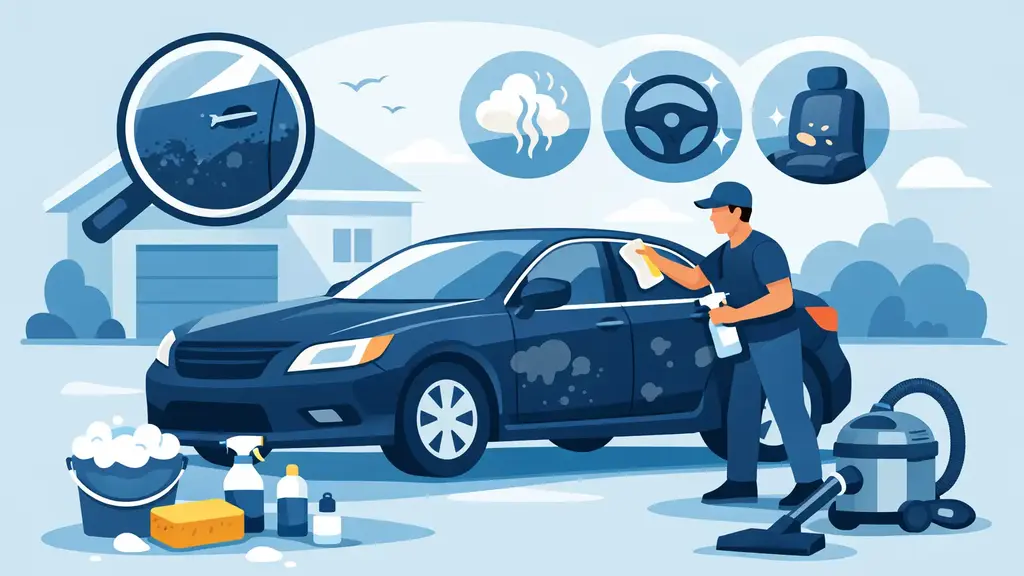
A clean car is not simply one that has had the loose dust brushed away at a petrol station. The top signs your car needs valeting are often easy to miss because daily use happens gradually: a little mud in the footwells, a faint smell after the school run, or paintwork that no longer reflects the light as it once did. Left alone, those small signs can become embedded stains, worn-looking trim and premature deterioration. Professional valeting restores the parts of the vehicle that regular washing rarely reaches. It is about lifting contamination safely, refreshing the cabin and protecting the finish, so your car feels properly cared for rather than merely presentable. Top signs your car needs valeting The interior no longer feels fresh The most obvious clue is often the moment you open the door. A stale odour, pet smell, dampness or lingering food scent can make even a well-maintained vehicle feel tired. Air fresheners may mask the problem briefly, but they do not remove the source, which is commonly trapped in carpets, seat fabric, mats or the ventilation areas. A full interior valet reaches beyond the visible surfaces. Thorough vacuuming, careful cleaning of upholstery and carpets, and attention to the dashboard, door shuts and storage compartments can make a substantial difference to both hygiene and comfort. If the car is used by children, pets or regularly carries sports equipment, this level of care is usually needed more often than owners expect. Stains, marks and spillages are becoming permanent features Coffee on a seat, muddy fingerprints on a door card and sunscreen marks on leather can all appear minor at first. However, the longer a spill or stain remains, the greater the chance it will bond with the material or discolour it. Pale leather, light headlining and fabric upholstery are particularly unforgiving. Prompt cleaning is always preferable, but it depends on the material and the cause of the mark. Scrubbing with an unsuitable household cleaner can leave water rings, strip protective coatings or make a small patch stand out more. A professional valet uses appropriate products and techniques for the surface, then conditions or protects it where required. Your footwells and mats are holding more than dirt British weather makes carpets work hard. Wet shoes, grit, leaves and road salt collect in the footwells, especially through autumn and winter. Once moisture works beneath a mat, it can create persistent odours and, in more serious cases, contribute to mould or corrosion around fixings and floor areas. If your mats look clean only after a quick shake but feel gritty underfoot, or if the carpet beneath them is damp, it is time for deeper attention. Removing the mats and properly cleaning the surrounding carpet helps preserve the cabin rather than simply improving its appearance for the day. The paintwork looks flat, rough or dull after washing A vehicle can be washed regularly and still lose its gloss. Traffic film, industrial fallout, tree sap, bird droppings and road grime bond to paintwork over time. You may notice that water no longer beads on the surface, the paint feels rough when clean, or the colour appears muted in sunlight. These are not always signs that paint correction is necessary, but they do indicate that standard washing is no longer enough. A professional exterior valet can safely remove accumulated contamination and revive the finish. If swirls, oxidation or fine scratches are affecting the clarity of the paint, a more specialist detailing treatment may be the right next step. Bird droppings, tree sap or insects have been left on the bodywork Some contaminants are more urgent than others. Bird droppings can be acidic, while tree sap and insect residue can harden onto the surface. In warm weather, they may mark or etch vulnerable paintwork surprisingly quickly, particularly if the car is parked outdoors in Midhurst, Chichester, Petworth, Haslemere or Arundel for long periods. Do not attack hardened residue with a dry cloth or fingernail, as this risks scratching the clear coat. Safe removal matters as much as removal itself. A valet can assess the affected area, clean it carefully and apply suitable protection to reduce future adhesion. The glass, wheels and brightwork never look truly clean Smears on the inside of the windscreen are not just an aesthetic issue. When low winter sun or oncoming headlights hit a film-covered screen, glare can become distracting. Likewise, brake dust on alloy wheels can bake on with heat and become increasingly difficult to remove without the correct products. Dull chrome, cloudy exterior glass and neglected wheel faces make a car look older than it is. These details are often what separate a quick wash from a showroom-quality finish. They also deserve a measured approach, since aggressive wheel cleaners or abrasive polishing can damage sensitive finishes. When a valet becomes a matter of preservation The soft top is showing green growth or fading Convertible roofs are exposed to rain, UV light, pollen and organic growth. A fabric roof that looks patchy, green around the seams or slow to dry needs more than a rinse. Neglect can affect its appearance, water repellency and, eventually, the material itself. Specialist soft top cleaning removes contamination without unnecessarily harsh treatment, while protection helps the fabric shed water and resist fresh soiling. The correct schedule depends on where the vehicle is stored, how often it is driven and whether it spends most of its time outside. Leather is becoming shiny, dry or discoloured Leather should feel clean and supple, not greasy, overly glossy or stiff. Body oils, denim dye, sunscreen and everyday friction gradually change its finish, especially on the driver’s seat, steering wheel and armrests. Cracking is often a late warning sign, rather than the first one. A careful leather clean and condition can preserve the material’s natural appearance. This is especially worthwhile on prestige vehicles, where worn leather can noticeably affect the cabin’s overall impression and resale appeal. You are planning to sell, return or hand over the car A valet will not conceal every defect, and it should not be treated as a substitute for mechanical maintenance. It can, however, ensure the vehicle is judged on its true condition rather than on clutter, grime and neglected presentation. Buyers and inspection teams notice door shuts, wheel condition, odours and stained upholstery quickly. For a private sale, a professionally prepared car photographs better and gives a stronger first impression. For a lease return, cleaning can also make it easier to identify genuine wear before the vehicle is inspected. It is sensible to arrange this before photographs or viewings, not the evening before. Choosing the right level of care Not every car needs a full detail each time it gets dirty. A maintained vehicle may benefit from regular mobile valeting to keep the interior, paintwork and wheels in excellent order. A family car after a muddy season may require a more intensive interior refresh, while a cherished weekend car with swirls or faded gloss may justify paint correction and durable protection. The key is to match the service to the condition of the vehicle and how it is used. South East Detail provides premium mobile vehicle care at home or work, allowing owners across West Sussex and Surrey to protect their vehicle without giving up a day to travel to a fixed studio. If you can see the dirt, smell the cabin or feel roughness in the paint, the vehicle is already asking for more than a quick wash. Addressing it early keeps the work more straightforward, preserves the materials you value and makes every journey feel that little bit better.
A clean car is not simply one that has had the loose dust brushed away at a petrol station. The top signs your car needs valeting are often easy to miss because daily use happens gradually: a little mud in the footwells, a faint smell after the school run, or paintwork that no longer reflects the light as it once did. Left alone, those small signs can become embedded stains, worn-looking trim and premature deterioration. Professional valeting restores the parts of the vehicle that regular washing rarely reaches. It is about lifting contamination safely, refreshing the cabin and protecting the finish, so your car feels properly cared for rather than merely presentable. Top signs your car needs valeting The interior no longer feels fresh The most obvious clue is often the moment you open the door. A stale odour, pet smell, dampness or lingering food scent can make even a well-maintained vehicle feel tired. Air fresheners may mask the problem briefly, but they do not remove the source, which is commonly trapped in carpets, seat fabric, mats or the ventilation areas. A full interior valet reaches beyond the visible surfaces. Thorough vacuuming, careful cleaning of upholstery and carpets, and attention to the dashboard, door shuts and storage compartments can make a substantial difference to both hygiene and comfort. If the car is used by children, pets or regularly carries sports equipment, this level of care is usually needed more often than owners expect. Stains, marks and spillages are becoming permanent features Coffee on a seat, muddy fingerprints on a door card and sunscreen marks on leather can all appear minor at first. However, the longer a spill or stain remains, the greater the chance it will bond with the material or discolour it. Pale leather, light headlining and fabric upholstery are particularly unforgiving. Prompt cleaning is always preferable, but it depends on the material and the cause of the mark. Scrubbing with an unsuitable household cleaner can leave water rings, strip protective coatings or make a small patch stand out more. A professional valet uses appropriate products and techniques for the surface, then conditions or protects it where required. Your footwells and mats are holding more than dirt British weather makes carpets work hard. Wet shoes, grit, leaves and road salt collect in the footwells, especially through autumn and winter. Once moisture works beneath a mat, it can create persistent odours and, in more serious cases, contribute to mould or corrosion around fixings and floor areas. If your mats look clean only after a quick shake but feel gritty underfoot, or if the carpet beneath them is damp, it is time for deeper attention. Removing the mats and properly cleaning the surrounding carpet helps preserve the cabin rather than simply improving its appearance for the day. The paintwork looks flat, rough or dull after washing A vehicle can be washed regularly and still lose its gloss. Traffic film, industrial fallout, tree sap, bird droppings and road grime bond to paintwork over time. You may notice that water no longer beads on the surface, the paint feels rough when clean, or the colour appears muted in sunlight. These are not always signs that paint correction is necessary, but they do indicate that standard washing is no longer enough. A professional exterior valet can safely remove accumulated contamination and revive the finish. If swirls, oxidation or fine scratches are affecting the clarity of the paint, a more specialist detailing treatment may be the right next step. Bird droppings, tree sap or insects have been left on the bodywork Some contaminants are more urgent than others. Bird droppings can be acidic, while tree sap and insect residue can harden onto the surface. In warm weather, they may mark or etch vulnerable paintwork surprisingly quickly, particularly if the car is parked outdoors in Midhurst, Chichester, Petworth, Haslemere or Arundel for long periods. Do not attack hardened residue with a dry cloth or fingernail, as this risks scratching the clear coat. Safe removal matters as much as removal itself. A valet can assess the affected area, clean it carefully and apply suitable protection to reduce future adhesion. The glass, wheels and brightwork never look truly clean Smears on the inside of the windscreen are not just an aesthetic issue. When low winter sun or oncoming headlights hit a film-covered screen, glare can become distracting. Likewise, brake dust on alloy wheels can bake on with heat and become increasingly difficult to remove without the correct products. Dull chrome, cloudy exterior glass and neglected wheel faces make a car look older than it is. These details are often what separate a quick wash from a showroom-quality finish. They also deserve a measured approach, since aggressive wheel cleaners or abrasive polishing can damage sensitive finishes. When a valet becomes a matter of preservation The soft top is showing green growth or fading Convertible roofs are exposed to rain, UV light, pollen and organic growth. A fabric roof that looks patchy, green around the seams or slow to dry needs more than a rinse. Neglect can affect its appearance, water repellency and, eventually, the material itself. Specialist soft top cleaning removes contamination without unnecessarily harsh treatment, while protection helps the fabric shed water and resist fresh soiling. The correct schedule depends on where the vehicle is stored, how often it is driven and whether it spends most of its time outside. Leather is becoming shiny, dry or discoloured Leather should feel clean and supple, not greasy, overly glossy or stiff. Body oils, denim dye, sunscreen and everyday friction gradually change its finish, especially on the driver’s seat, steering wheel and armrests. Cracking is often a late warning sign, rather than the first one. A careful leather clean and condition can preserve the material’s natural appearance. This is especially worthwhile on prestige vehicles, where worn leather can noticeably affect the cabin’s overall impression and resale appeal. You are planning to sell, return or hand over the car A valet will not conceal every defect, and it should not be treated as a substitute for mechanical maintenance. It can, however, ensure the vehicle is judged on its true condition rather than on clutter, grime and neglected presentation. Buyers and inspection teams notice door shuts, wheel condition, odours and stained upholstery quickly. For a private sale, a professionally prepared car photographs better and gives a stronger first impression. For a lease return, cleaning can also make it easier to identify genuine wear before the vehicle is inspected. It is sensible to arrange this before photographs or viewings, not the evening before. Choosing the right level of care Not every car needs a full detail each time it gets dirty. A maintained vehicle may benefit from regular mobile valeting to keep the interior, paintwork and wheels in excellent order. A family car after a muddy season may require a more intensive interior refresh, while a cherished weekend car with swirls or faded gloss may justify paint correction and durable protection. The key is to match the service to the condition of the vehicle and how it is used. South East Detail provides premium mobile vehicle care at home or work, allowing owners across West Sussex and Surrey to protect their vehicle without giving up a day to travel to a fixed studio. If you can see the dirt, smell the cabin or feel roughness in the paint, the vehicle is already asking for more than a quick wash. Addressing it early keeps the work more straightforward, preserves the materials you value and makes every journey feel that little bit better.